What Makes Panic Bar Installation Different from a Standard Lock Job
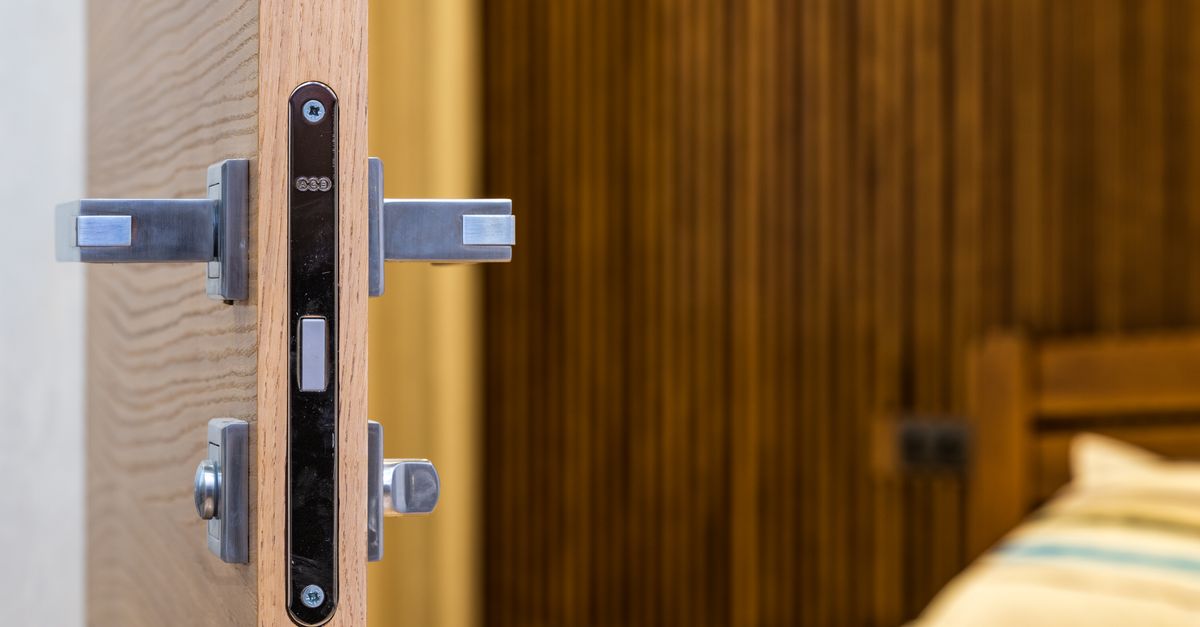
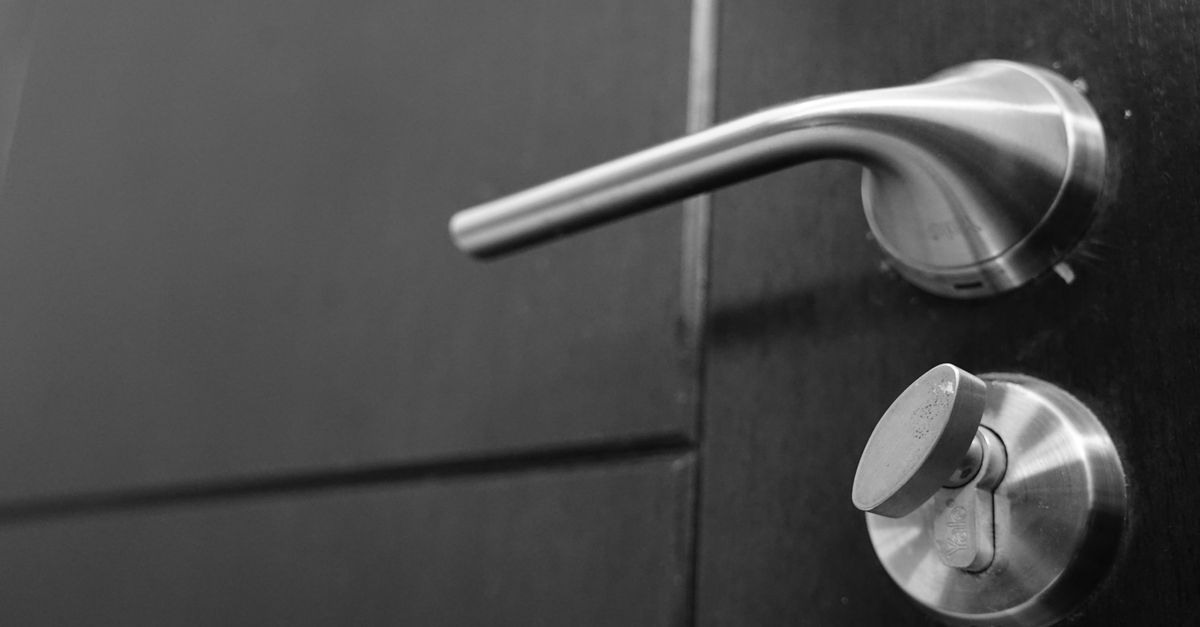
Panic hardware must satisfy two competing demands at once: it has to release instantly under body pressure from the inside — no key, no twist, no delay — while still providing genuine burglary resistance from the outside. That tension is where most DIY or under-qualified installations go wrong. The devices most commonly specified for Ocean County commercial doors fall into two families: rim-mounted exit devices, where the latch strikes a surface-mounted keeper on the frame, and mortise lock exit devices, where the panic trim operates the same multi-point mortise cylinder that the exterior key trim controls. A mortise lock panic bar combines a full mortise lock body — deadbolt, latchbolt, auxiliary latch — with a crossbar or touchpad that retracts everything in a single push. Getting the mortise pocket depth, the hub engagement, and the outside trim timing all correct requires hands-on experience with specific hardware families. Our technicians are trained on a wide range of commercial exit device lines and carry the tooling to mill or adjust door prep in the field when necessary.
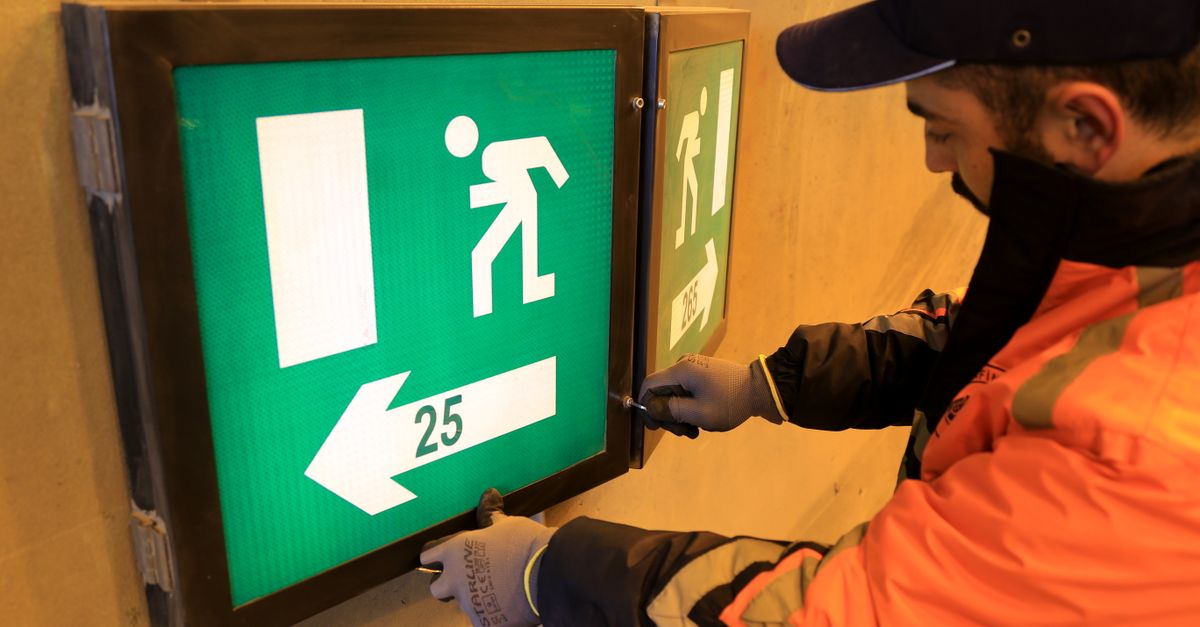
Ocean County's building stock adds its own wrinkles. Barrier-island properties from Barnegat Light down through Long Beach Island and Island Beach State Park see salt air that corrodes lower-grade hardware quickly; we account for finish selection and internal lubrication during every installation. Older masonry buildings in downtown Toms River or brick storefronts on Fischer Boulevard sometimes have non-standard frame depths that require custom strike pockets or spacer plates. We measure before we quote, and we confirm code compliance — including the required maximum 15-pound actuating force under NFPA 101 — before any work begins.