Car Key Replacement by Vehicle Brand — What the Process Actually Involves
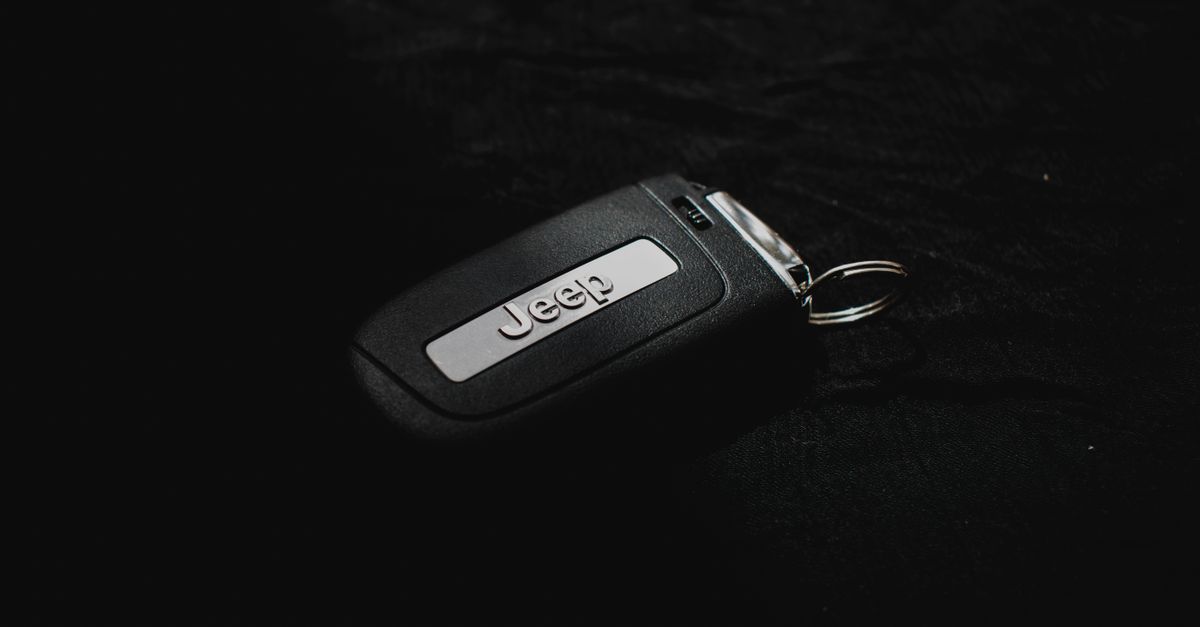
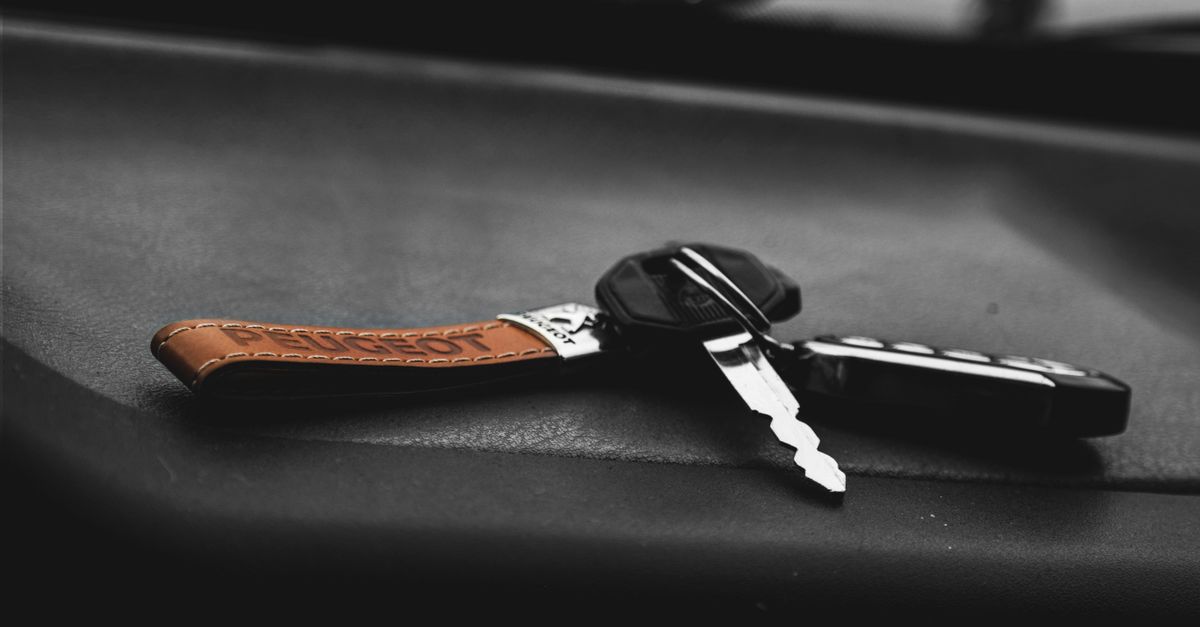
The method used to produce a replacement key depends almost entirely on what your vehicle's manufacturer built into its security system. For most vehicles made after 1995, a simple metal key blank is not enough — the key must contain a transponder chip that is recognized and accepted by the car's immobilizer before the engine will start. Our technicians carry professional-grade automotive key programming devices that can generate and write new codes for vehicles across dozens of makes and model years, including Ford, Chevrolet, GMC, Dodge, Ram, Honda, Toyota, Nissan, Subaru, Hyundai, Kia, Jeep, and many more. European brands such as BMW, Mercedes-Benz, Audi, and Volkswagen often use encrypted, proximity-based smart key systems that require dealer-level OBDII programming access — equipment our mobile units carry on every call.
For older vehicles without transponders, the process is straightforward mechanical key cutting from the vehicle's key code or by reading the existing lock. For mid-tier vehicles using standard transponders, we clone or program a fresh key in 20 to 40 minutes roadside. Push-to-start proximity fobs — common on late-model Toyotas, Hondas, and domestics — require pairing the fob's rolling-code security to the car's body control module, a step we complete on-site. In every case, we verify the replacement key starts the vehicle before we close the job. If you are currently locked out in addition to needing a new key, our technicians can handle both at the same visit without damaging your door or ignition cylinder.